AI has been the focal point of nearly every industry event over the past year, and that was no different at this year’s Advertising Week New York. While the conversations have begun to evolve from AI’s potential to being able to share what it actually looks like in practice, many noted that the industry is still in the early stages of realizing AI’s full ability in TV advertising, especially when it comes to agentic buying.
Whether it was AI, agentic, premium signals or performance, the consensus was clear: as an industry, we need to continue to create the tools and solutions that unlock meaningful scale, efficiency, and outcomes for advertiser and agency clients.
AI is powering more intelligent TV advertising
Every single person in the industry has been talking about the potential of AI and how it can impact premium video advertising from creative generation to transaction to measurement, but as the technology is put to use, what are practitioners actually seeing?
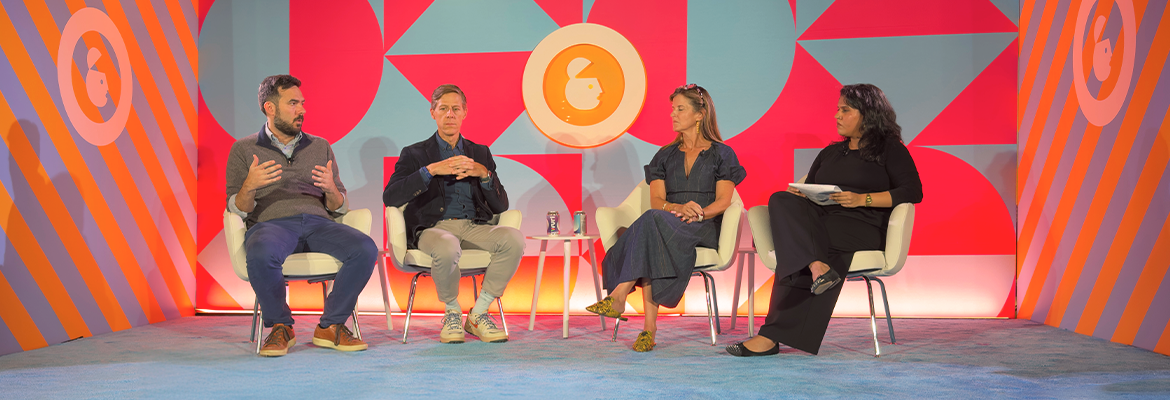
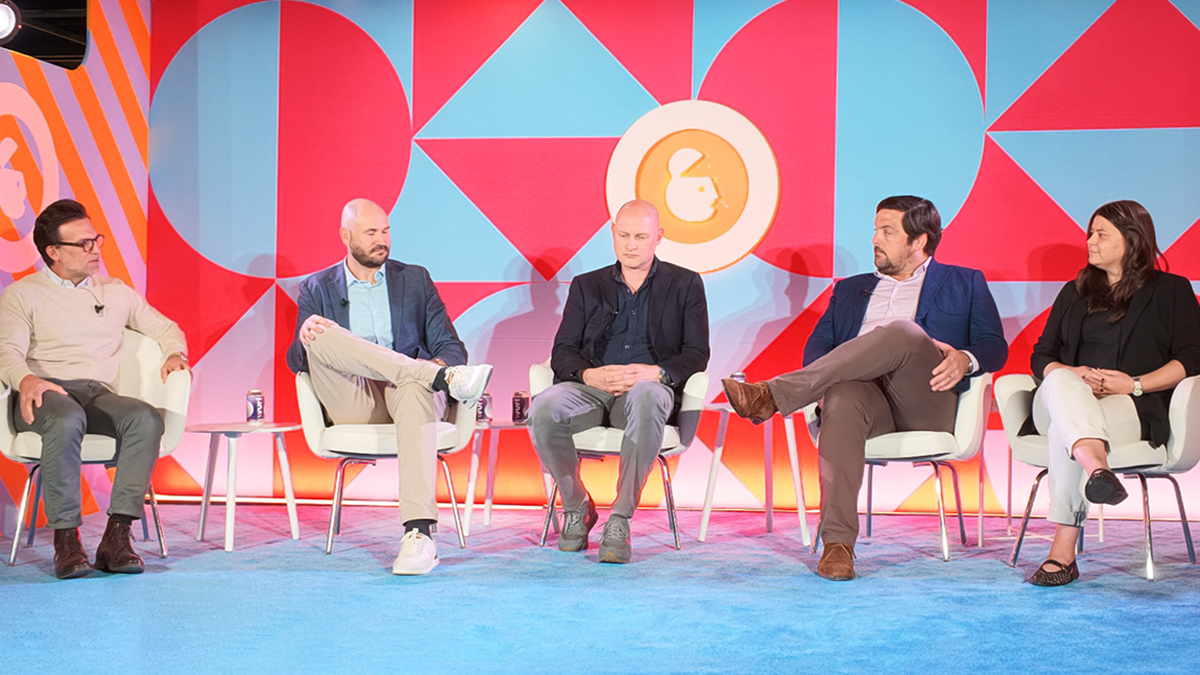
During his session, Jon Mansell, VP, U.S. Revenue, Demand at FreeWheel spoke with leaders from LG Ad Solutions, PMG, Magnite, and OMC about the ways in which advertisers can use AI and how they are seeing it reduce friction and improve decision-making.
As Mansell noted, one place where AI is creating real value is in accelerating the discovery of insights. Processes that have traditionally slowed teams down – whether it’s back-and-forth RFIs and RFPs or gathering context across partners, platforms, and systems – can now move faster and become more thorough. By making information more readily available and easier to synthesize, AI can help teams spend less time searching for answers and more time understanding what those answers mean. Additionally, he called out how this furthers the point that APIs remain essential to successful agentic AI. Agents need reliable ways to access, understand, and act on the systems that power media buying. By refreshing existing APIs and building MCP servers on top, it enables agents a clearer pathway to communication so they can work in a more transparent, trusted, and operationally useful way.
Across the board it seemed that the panelists agreed that the real promise is not replacing human expertise but giving people better inputs for more valuable conversations. AI can surface patterns, sharpen forecasting, support faster testing, and help make sense of complex supply and decisioning dynamics, but humans still play the critical role of interpreting, challenging, and negotiating based on those insights. In that sense, the value of AI is not simply measured in time saved but in the higher level of strategic thinking it enables.
Agentic buying is moving from experiment to execution
Throughout the week, panelists noted that agentic buying is moving beyond early test-and-learn phases and into operational reality. An example of that shift was NBCUniversal, Carat, FreeWheel, and Newton announcing a first-of-its-kind agentic buying solution for Upfront inventory, a custom-built capability designed to improve planning, buying, and optimization for brand advertisers.
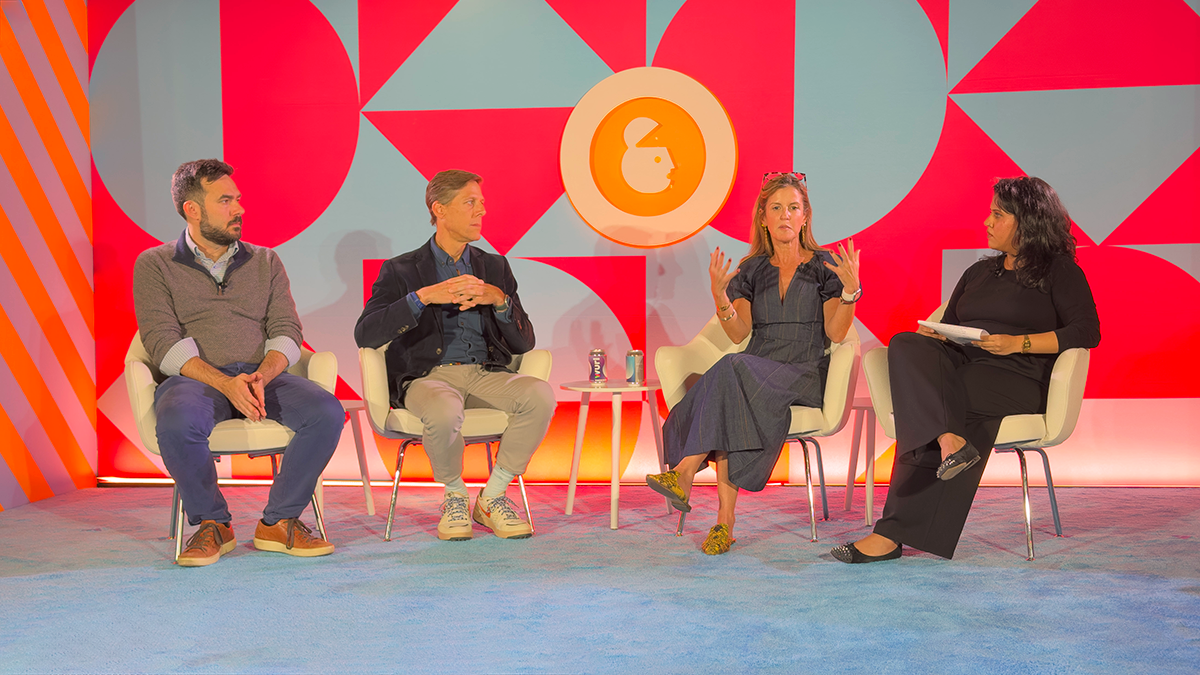
Executives from across FreeWheel, NBCUniversal, and Carat joined the stage to talk about this latest innovation. What the group pointed out was that the value this brings is not just automation for automation’s sake, but that it drastically speeds up time to insight and uncovers patterns that teams may not have had time to find on their own. Through this agentic solution, teams can uncover learnings such as which genres are performing in a specific geography to which media environments are driving store visits. This helps buyers optimize spend faster, test and learn in-flight, and make media activation more valuable – freeing people up to spend less time navigating fragmented systems and more time on the strategic marketing work that drives better outcomes.
The real differentiator with this solution is that because it is built on FreeWheel Buyer Cloud, there is a direct integration with our ad server, which is chosen by many of the industry’s leading streaming publishers. This is becoming a critical anchor in connecting buy-side agents to premium inventory and giving them the infrastructure needed to act with accuracy, transparency, and control. As David Dworin, FreeWheel’s Chief Product Officer, noted towards the end of the conversation, this is where FreeWheel brings distinct value: supporting both sides of agentic adoption through “built-in” capabilities, or agents FreeWheel develops for buyers, and “built-on” capabilities, where agencies and partners can build their own agents on top of FreeWheel’s open architecture.
Premium signals are helping demonstrate media quality
Increasingly, advertisers are looking for better ways to evaluate the value of an impression or placement and are showing a willingness to pay more for environments that can drive stronger outcomes. In fact, according to a marketer survey, 54% of advertisers say they’ll pay 20% higher CPM for professionally produced content.1 That shift matters because research shows there can be 14X higher brand recall for top placements compared to bottom placements,2 underscoring that where an ad appears can be just as important as whether it reaches the right audience.
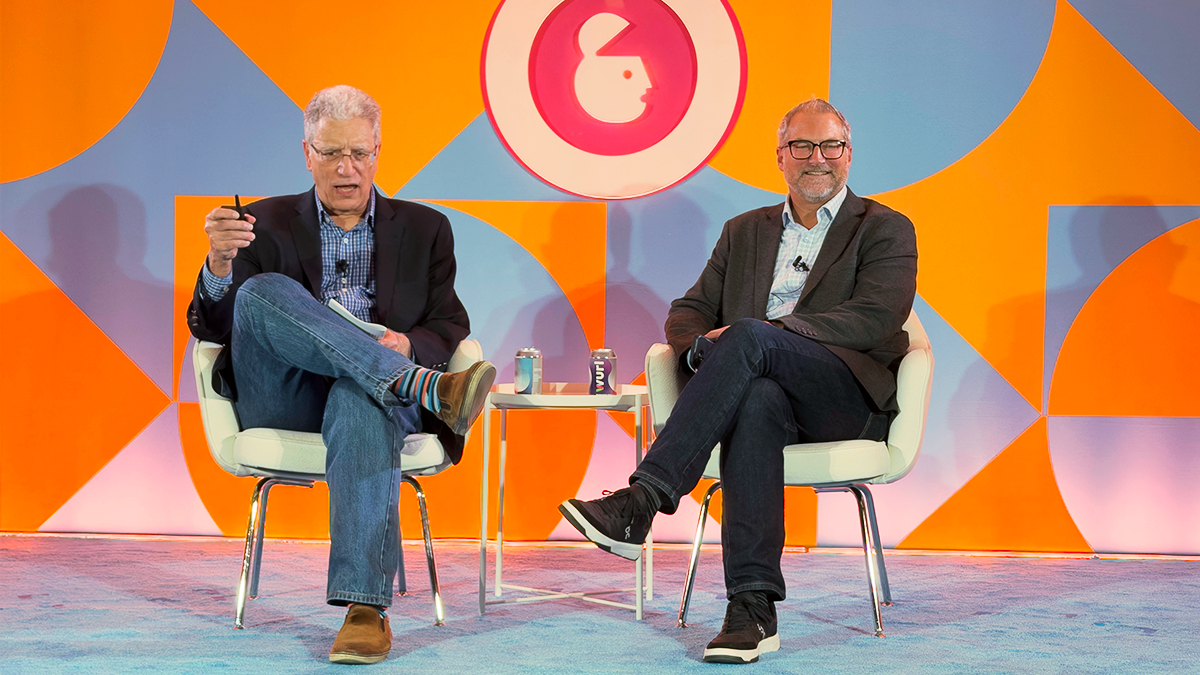
In their fireside chat, FreeWheel’s Larry Allen, VP, Global Strategy and Janus Strategy’s Howard Shimmel discussed the connection between media quality and advertiser outcomes and how premium signals are reshaping the way premium inventory is valued, packaged, and bought.
One thing they both called out was that reach alone is no longer enough to understand the true price and value of an impression. As premium video supply grows, buyers need more nuanced ways to distinguish quality, context, and performance potential across media environments. That is why FreeWheel recently partnered with premium CTV measurement partners to bring independent quality, attention, and emotional resonance signals into curated inventory packages.
With Premium Signals Packaging, buyers can better evaluate supply through factors like attention, ad experience, and live moments – signals that influence how ads are received, remembered, and acted on. In doing so, FreeWheel is giving buyers a clearer way to identify higher-quality opportunities, while helping brands invest in the placements most likely to support meaningful outcomes.
Building for what’s next
Advertising Week New York was filled with celebrities, content creators, and conversations about AI, but the real takeaway from the week is that there is a broader shift in how premium video is being bought, evaluated, and optimized. AI is helping teams uncover insights faster, agentic buying is turning those insights into more efficient execution, and premium signals are giving advertisers a clearer way to understand the quality and value of the impressions they buy.
As the market moves from possibility to practicality, the best partners will be those that help advertisers and agencies build tools that work for their businesses and enable them to unlock meaningful scale, efficiency, and outcomes. In doing this, teams can make smarter decisions, move faster, and focus more time on the strategic marketing work that creates better connections with audiences and drives stronger results.
Sources:
- Ad Perceptions Omnibus survey of marketers and agencies commissioned by FreeWheel, October 2025.
- FreeWheel and Mediaprobe study, 2025.